
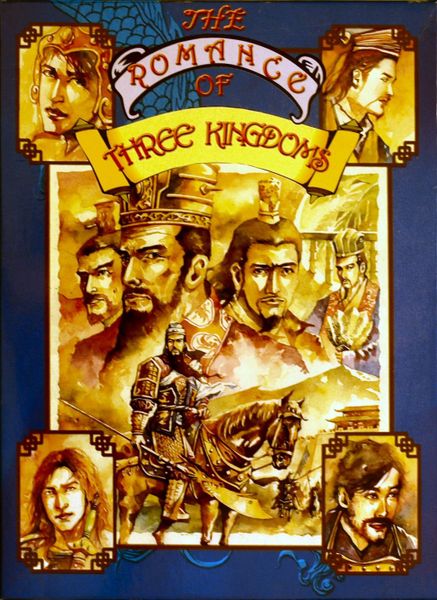
Romance of the Three Kingdoms Card Game (1999) Board Game

The Romance of the Three Kingdoms Card Game is based on the historical novel “Romance of the Three Kingdoms,” which depicts the tumultuous period of the Three Kingdoms in ancient China. The game was designed by Solomon Au Yeung and released in in 1999. It is a strategic card game that allows players to relive the battles and political intrigue of this period in Chinese history.
Game Components of Romance of the Three Kingdoms Card Game
How To Setup Romance of the Three Kingdoms Card Game
To set up the game, players first need to shuffle the card deck and distribute a starting hand to each player. Each player chooses a faction from the Three Kingdoms (Shu, Wu, or Wei) and places their respective faction cards on the table. Players then draw a set number of cards and prepare for the first turn, following the specific setup rules outlined in the rulebook.
Gameplay Mechanics and Game Objective
Player Experience
Playing the Romance of the Three Kingdoms Card Game is an immersive experience that combines strategy, diplomacy, and luck. Players need to carefully manage their resources, build effective decks, and make tactical decisions to outmaneuver their opponents. The game requires a good balance between short-term and long-term planning, making it engaging for fans of strategy and historical fiction.
Pros
Cons
Personal Thoughts on Romance of the Three Kingdoms Card Game
This game is ideal for fans of strategic card games, particularly those with an interest in historical themes. It is best suited for experienced gamers who enjoy complex gameplay and are willing to invest time in learning the rules. The game’s depth and replayability make it a great addition to any serious board game collection. However, due to its age and limited availability, it might be more challenging to find and learn compared to more modern games.
We are supported by our audience. When you purchase through links on our site, we may earn an affiliate commission, at no extra cost for you. Learn more.
