
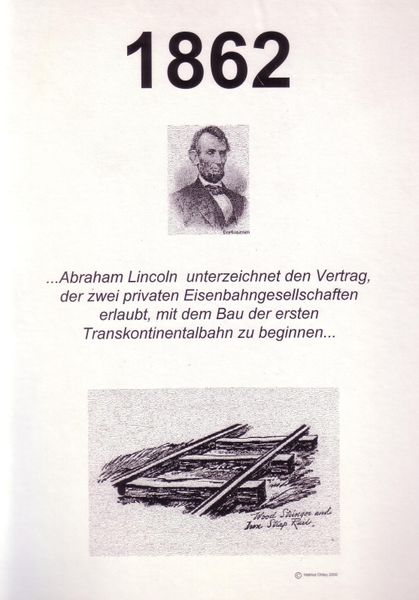
1862 (2000) Board Game

1862 is a board game released in 2000 and designed by Helmut Ohley. It falls under the categories of Economic, Trains, and Transportation games, and is known for its complex gameplay mechanics centered around network and route building, stock holding, tile placement, and trading. With a player count of 4-7 and a runtime of 360 minutes, 1862 is a game that requires strategic thinking and long-term planning to succeed.
Game Components of 1862
How To Setup 1862
Setting up **1862** involves several steps, including dealing out company cards, determining player order, and initializing the stock market. Players can choose to mulligan by discarding certain columns of cards, changing the companies available, or altering the order of train permits. The game starts with each player selecting their starting position and preparing the necessary components for the first round.
Gameplay Mechanics and Game Objective
Player Experience
Playing **1862** can be a complex and time-consuming experience, even for seasoned 18xx players. The game is known for its unique systems, such as the varied train types and the absence of private companies. New players may find it challenging due to the dense rule set and the need for strategic planning. Games can last 6-8 hours, making it a significant commitment.
Pros
Cons
Personal Thoughts on 1862
**1862: Railway Mania in the Eastern Counties** is for experienced board game enthusiasts who enjoy deep, strategic gameplay and are willing to invest time in learning and mastering the game. It is particularly suited for fans of the 18xx series looking for a new challenge with unique mechanics. However, it is not the best introduction to the series for new players due to its complexity and lengthy playtime. For those who enjoy the intricacies of train games and are patient enough to delve into the rules, **1862** can offer a highly rewarding experience.
We are supported by our audience. When you purchase through links on our site, we may earn an affiliate commission, at no extra cost for you. Learn more.
